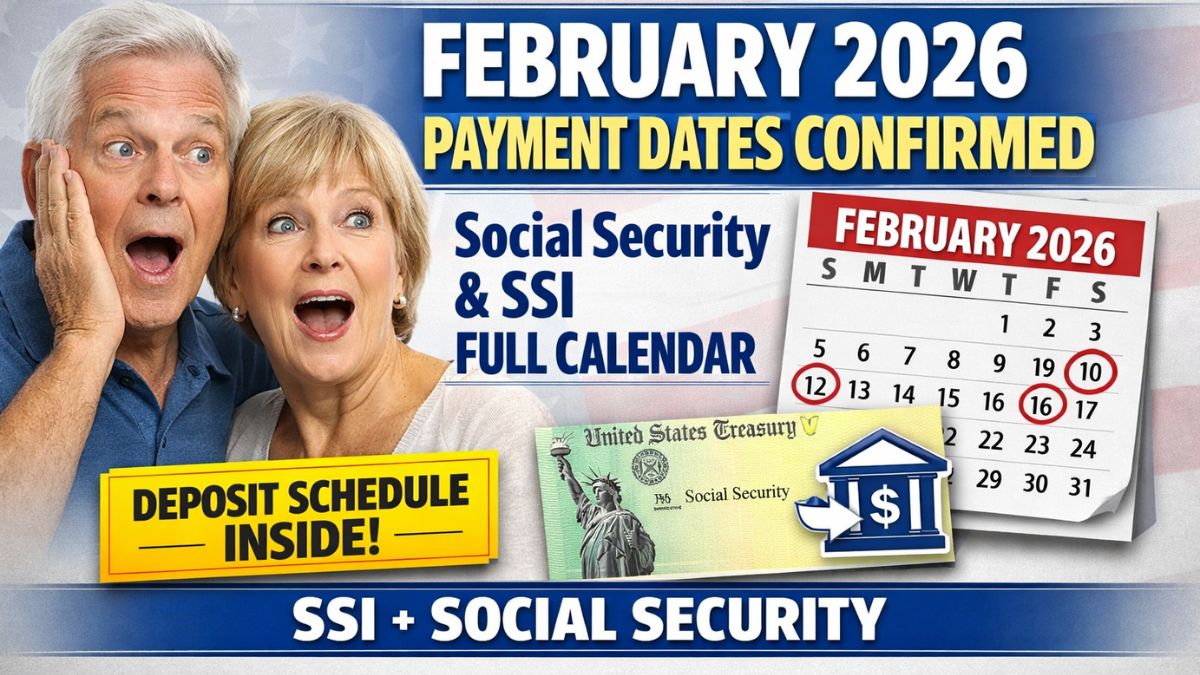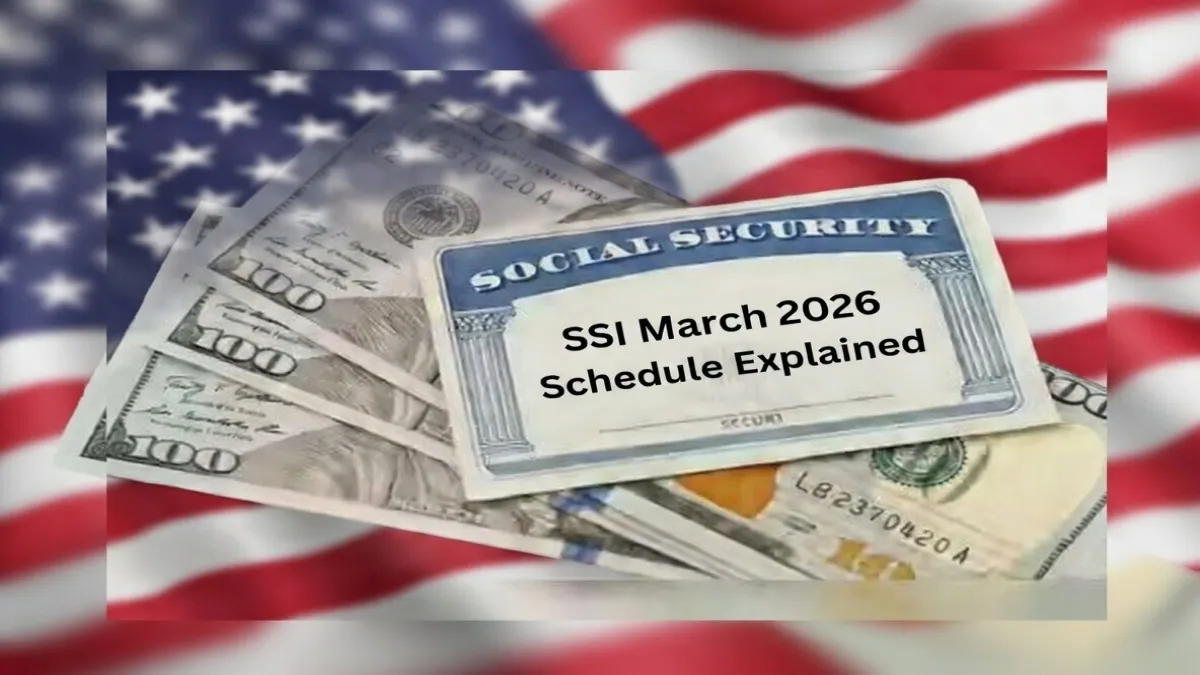
Many Supplemental Security Income recipients reviewing the 2026 payment calendar have noticed that March appears to show no scheduled deposit. This has caused concern for people who depend on SSI to cover rent, food, utilities, and other basic needs. However, this situation is usually the result of a routine calendar adjustment and does not mean that benefits have been reduced or canceled.
SSI follows a fixed monthly payment structure managed by the Social Security Administration. Payments are normally issued on the first day of each month. This consistent schedule helps beneficiaries plan their monthly expenses. However, there is an important rule in place. If the first day of a month falls on a weekend or federal holiday, the payment is sent on the previous business day instead. This prevents delays and ensures recipients receive funds on time.
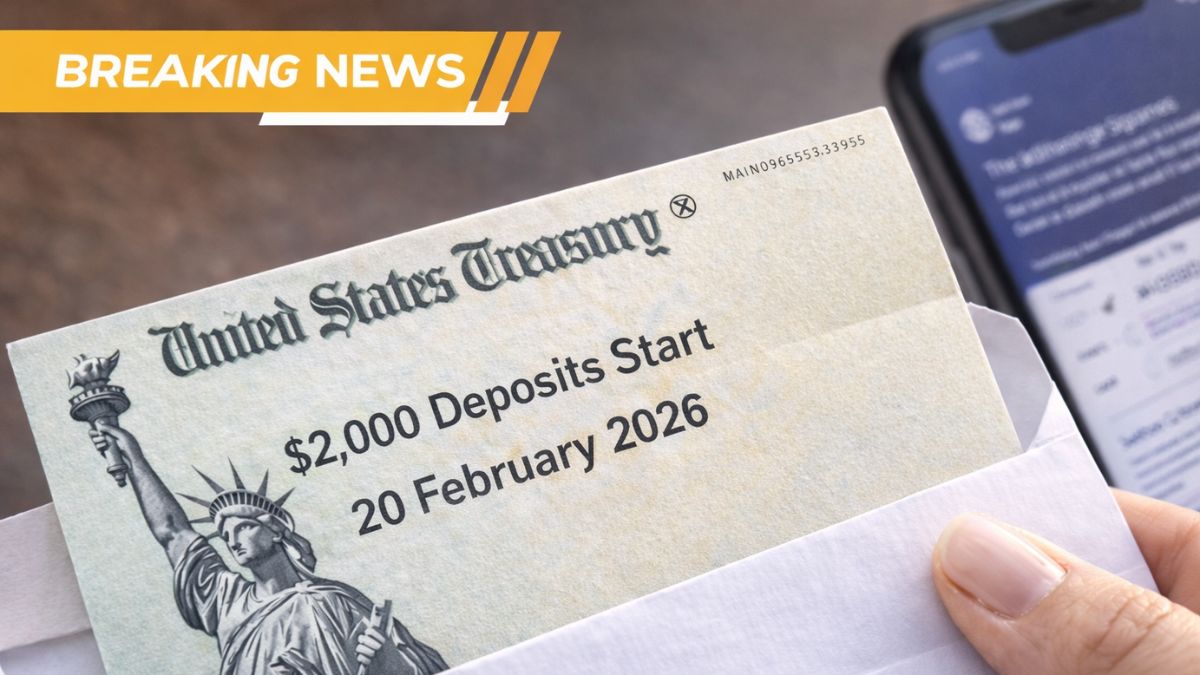
In 2026, March 1 falls on a weekend. Because of this, the March SSI payment is expected to be issued at the end of February. As a result, beneficiaries may receive two payments in February: one on February 1 for the February benefit and another near the end of the month for the March benefit. When this happens, March may appear to have no deposit, even though the payment was simply delivered early.

This pattern has occurred in previous years and is part of the standard SSI payment system. The total yearly benefit amount does not change. Only the timing shifts. Even though two deposits may arrive close together, the second payment is meant to cover the following month’s expenses. Treating both deposits as income for the same month can create financial pressure later.
The situation can be more confusing for people who receive both SSI and Social Security retirement or disability benefits. Social Security payments follow a different schedule, usually based on the beneficiary’s birth date and paid on Wednesdays. This means some individuals may still receive a Social Security payment in March even if SSI does not appear that month.
If a payment does not arrive as expected, beneficiaries should first review their bank records and compare them with the official payment calendar. Waiting a few business days is often recommended before contacting the Social Security Administration.

Disclaimer: This article is for informational purposes only and does not provide legal or financial advice. Payment dates and eligibility depend on individual records and official Social Security Administration policies. Beneficiaries should confirm details through official SSA communications or their personal account information.