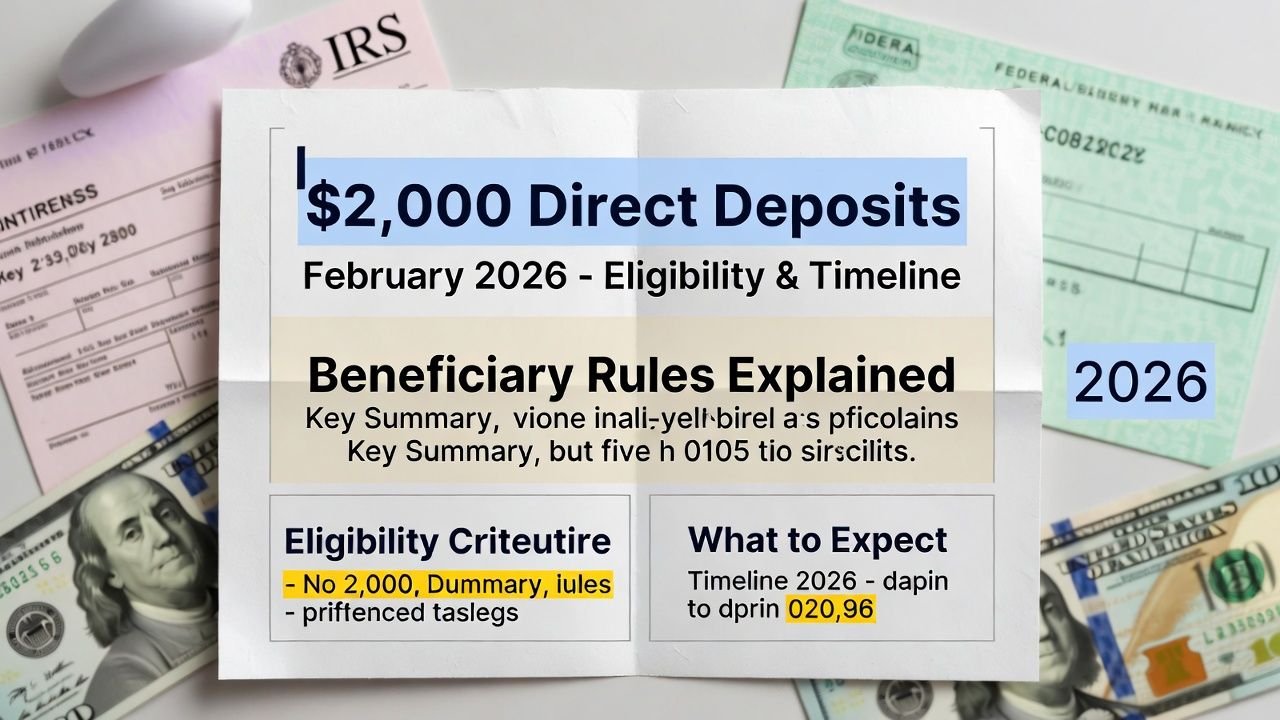
The Internal Revenue Service is preparing to send a $2,000 direct deposit in February 2026, and many families are watching closely. With everyday expenses still high, this payment is being described as targeted financial relief rather than a nationwide stimulus program. The purpose is to provide short-term support during a time of year when household bills often feel overwhelming.
Why February Can Be Financially Stressful
February is traditionally a challenging month for many households. Holiday credit card bills begin to arrive, winter heating costs remain elevated, and regular expenses such as rent, insurance, and childcare continue without interruption. Income levels usually stay the same, which can create a temporary gap between earnings and obligations.
The $2,000 payment is intended to help reduce this seasonal pressure. By providing support at a predictable high-cost period, policymakers aim to limit the need for high-interest borrowing and prevent deeper financial strain.
यह भी पढ़े:
 Money Arriving in February 2026: What Social Security and SSDI Beneficiaries Should Understand
How This Payment Differs From Past Stimulus Checks
Unlike earlier emergency stimulus programs that were widely distributed, this payment is more focused. It is not designed as a universal payout for all adults. Instead, eligibility is based on income information from recent federal tax filings.
As income rises above certain limits, the payment may be reduced or phased out entirely. This structure is meant to direct assistance toward households that need it most while controlling overall program costs.
Who May Qualify
To qualify, individuals must have filed a recent federal tax return and meet specific income requirements. A valid Social Security number and accurate personal details are necessary. The IRS will use verified tax records to confirm eligibility and reduce fraud.

Household size may also affect the final amount. Families with dependents often face higher living expenses, and this factor may be considered. However, not every taxpayer will receive the full $2,000.
How Payments Will Be Sent
Most payments are expected to be delivered through direct deposit using bank information already on file with the IRS. Taxpayers with updated banking details are likely to receive funds more quickly. Those without direct deposit information may face delays if alternative payment methods are used.
Reviewing tax records and confirming bank account information can help avoid unnecessary waiting.
यह भी पढ़े:
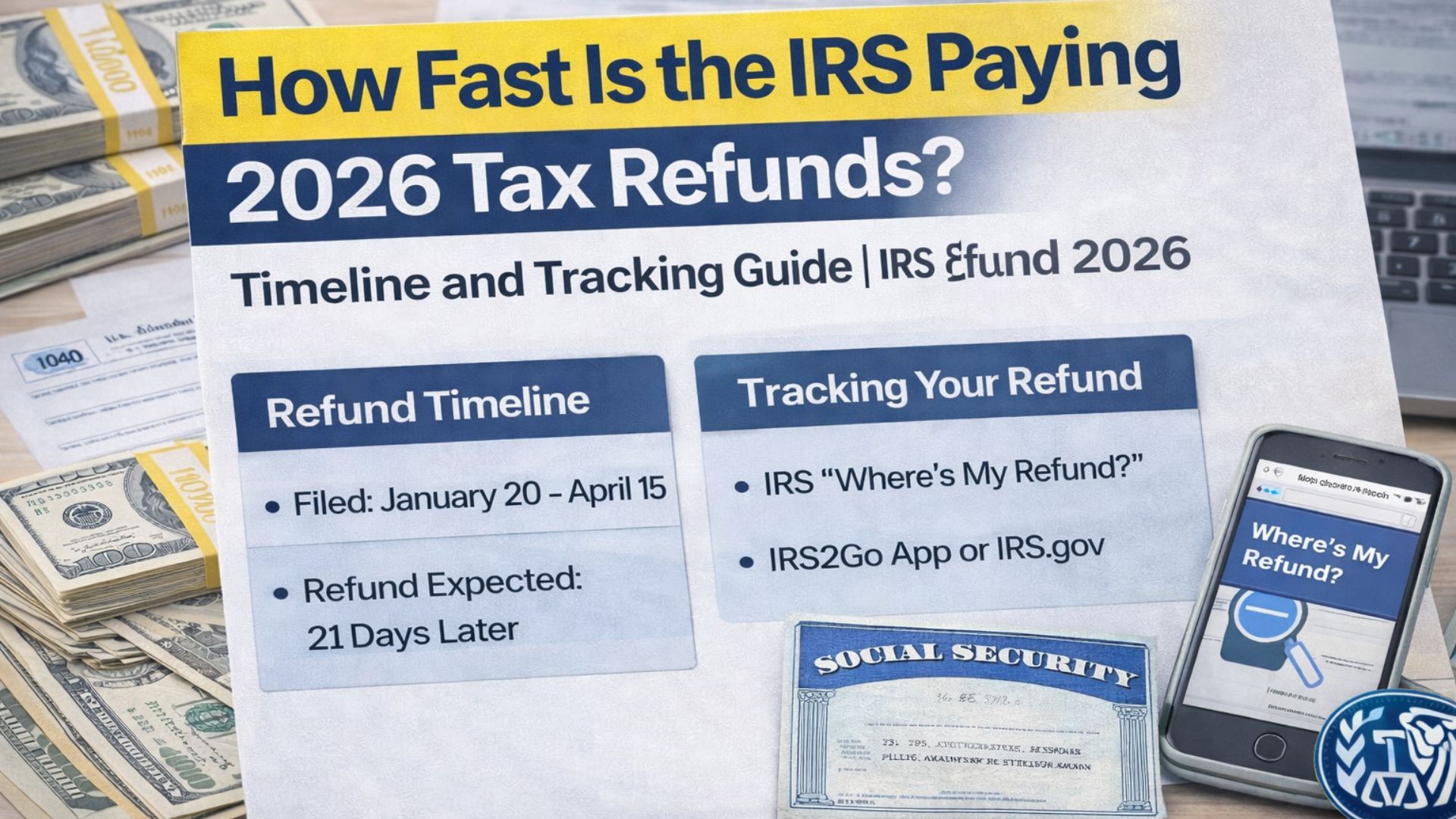
 IRS Tax Refund 2026 Guide: Processing Timelines, Key Rules, and What Taxpayers Should Expect
Planning for Responsible Use
Past relief programs show that families often use such payments for essential needs such as rent, groceries, and debt repayment. Financial advisers recommend prioritizing high-interest debt or strengthening emergency savings to extend the benefit beyond a single month.
While $2,000 can provide meaningful help, it is not a long-term solution. Careful planning can maximize its impact.
Disclaimer: This article is for informational purposes only and does not provide financial, legal, or tax advice. Eligibility requirements, payment amounts, and distribution timelines depend on official IRS guidance and may change. Individuals should consult official IRS resources or a qualified professional for advice based on their personal circumstances.