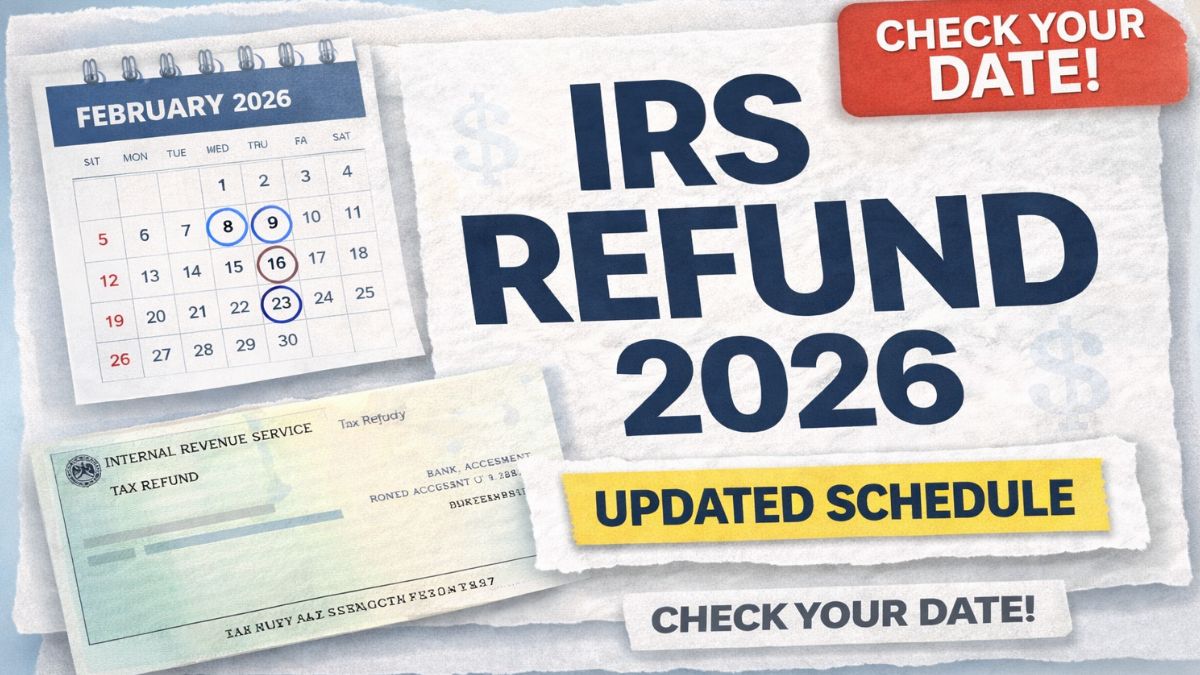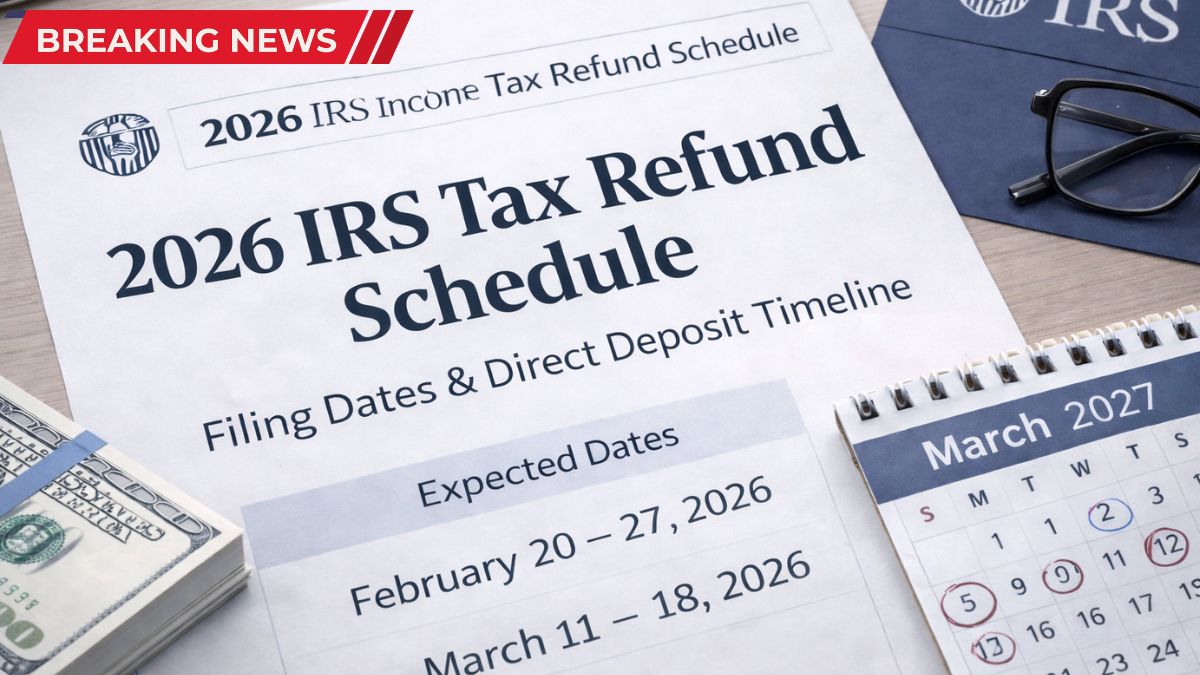
As the 2026 tax season approaches, many Americans are getting ready to file their federal income tax returns and are thinking about when their refunds might arrive. For many households, a tax refund is not simply extra money. It often helps pay rent, manage utility bills, reduce debt, or strengthen savings. While there is no fixed refund date that applies to everyone, understanding how the process works can make planning easier and reduce stress.
A tax refund is issued when a person has paid more federal income tax during the year than they actually owe. Most employees have taxes automatically deducted from their paychecks. When a tax return is filed, total income is reviewed and adjusted for deductions and credits. The final calculation shows how much tax should have been paid. If the amount already withheld is higher than the total owed, the extra money is returned as a refund.
The amount of a refund can vary widely from one taxpayer to another. Income level plays an important role, but so does the amount of tax withheld from wages. Tax credits can significantly increase a refund, especially credits related to children, education expenses, or lower income levels. Changes such as starting a new job, receiving a raise, getting married, or having a child can all influence the final refund amount compared to previous years.

The federal filing system usually opens in late January. Once the Internal Revenue Service begins accepting returns, processing officially starts. Taxpayers who submit their returns electronically and choose direct deposit often receive their refunds within two to three weeks after their return is accepted. Filing early can place a return closer to the front of the processing line.
Electronic filing is generally the fastest option because the return is transmitted directly into IRS systems. Paper returns take longer because they must be reviewed manually, which can delay refunds for several weeks. Selecting direct deposit instead of waiting for a mailed check also helps speed up the payment process and reduces the risk of delivery issues.
Some refunds may take longer due to mistakes or additional review. Errors such as incorrect Social Security numbers, wrong bank details, or missing forms can slow processing. Carefully reviewing information before filing can help prevent delays.
Also Read:
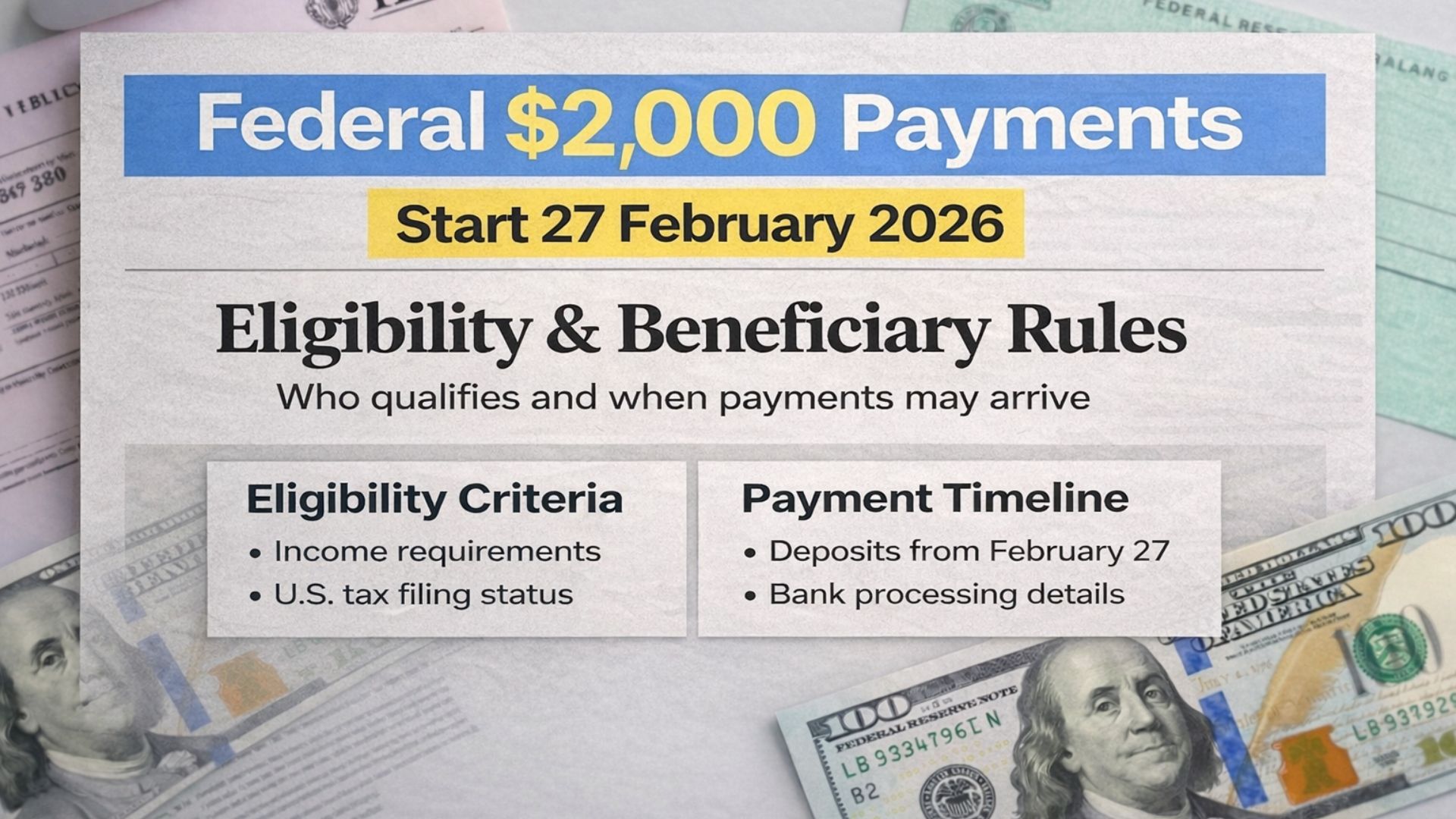
 February 2026 IRS $2,000 Payment — Who Qualifies, When It Arrives and Important Details for Families
Taxpayers can monitor their refund status through the official IRS online tracking tool, which provides updates as the return moves through the system.
Disclaimer: This article is for informational purposes only and does not provide tax, financial, or legal advice. Refund amounts and timelines depend on individual tax situations and official IRS procedures. For personalized guidance, consult official IRS resources or a qualified tax professional.