The 2026 tax season is now in progress, and many Americans are preparing their returns and waiting for their federal income tax refunds. For many households, a refund is more than just extra cash. It can help cover rent, reduce credit card balances, pay tuition bills, or build emergency savings. With everyday expenses remaining high, knowing when a refund may arrive is important for better financial planning.
After you file your federal tax return, the first major step is acceptance by the Internal Revenue Service. Acceptance simply means your return has passed initial system checks and includes the required information. It does not mean your refund has been approved yet. Once accepted, the IRS reviews income details, credits claimed, and identity information. If everything matches official records and no issues are found, the refund moves to the approval stage and is scheduled for payment.
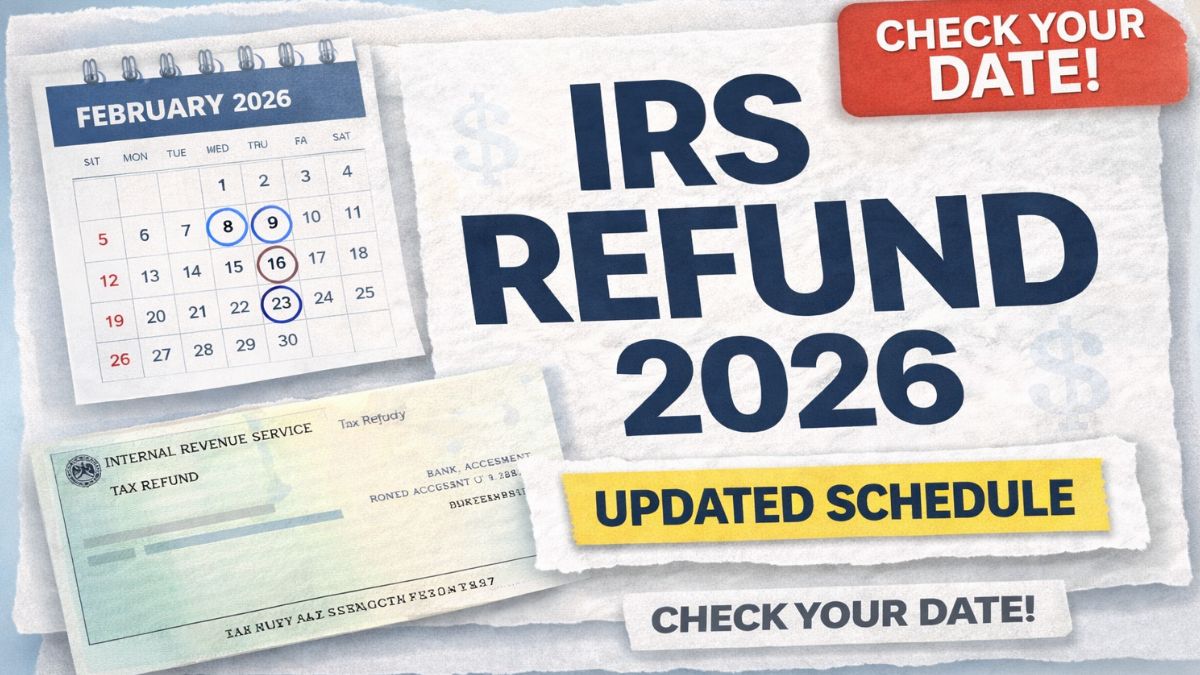
There is no single calendar date that applies to everyone. However, most electronically filed returns are processed within about 21 days after they are accepted. For example, if your return is accepted in late January, you may receive your refund by mid-February. If acceptance happens in early February, payment may arrive later that month. Filing later in the season can push expected refunds into March.

Choosing direct deposit usually speeds up the final payment stage. After the IRS marks the refund as sent, funds often appear in a bank account within a few business days. Selecting a paper check can extend the waiting period because of printing and mailing time.
Certain factors may delay processing. Mistakes such as incorrect Social Security numbers, missing documents, or inaccurate income reporting can trigger additional review. Identity verification procedures may also slow approval if unusual activity is detected. Some refundable tax credits require extra review under fraud prevention rules, which may extend the timeline.
Carefully reviewing your return before submission helps reduce delays. Electronic filing combined with direct deposit remains the fastest and safest option. Refund amounts differ for each taxpayer and depend on income, taxes withheld, filing status, and credits claimed.

Taxpayers can track progress using the official IRS online tool, which typically shows three stages: return received, refund approved, and refund sent.
Disclaimer: This article is for informational purposes only and does not provide legal, financial, or tax advice. Refund timelines and amounts depend on individual tax situations and official IRS procedures. Always consult official IRS resources or a qualified tax professional for personalized guidance.